The Allure of Casino Entertainment
Casino entertainment is often seen as a thrilling escape from the daily grind, featuring dazzling lights, lively music, and the promise of potential winnings. Individuals are drawn to casinos for various reasons, including the excitement of gambling, the social interactions, and the entertainment options such as live performances or fine dining experiences. For those looking to enhance their experience, 1win offers a range of exciting opportunities that can complement the vibrant atmosphere of a casino. However, while the allure can be enticing, it is essential to recognize that the costs associated with casino entertainment can extend well beyond just the money wagered at a gaming table.
The initial attraction often masks the multiple layers of expenses that visitors may incur. For instance, while a guest may set a budget for gaming activities, the environment encourages them to spend more than anticipated. This phenomenon, known as “loss aversion,” can lead players to chase their losses, ultimately resulting in financial commitments that surpass their original intent. Moreover, the ambiance is carefully crafted to keep patrons engaged and spending—bright lights and free drinks can divert attention from the wallet and encourage continued participation.
Additionally, the social aspect of casino entertainment can further amplify costs. Many patrons visit casinos in groups, often feeling compelled to engage in rounds of drinks, meals, or even in purchasing gifts for friends. While the camaraderie is enjoyable, the financial implications can be substantial. Participating in such social activities leads to an increase in expenditure, as one may feel pressured to keep up with their peers, adding to the hidden costs of this entertainment form.
The Game Within the Game: Stake Your Claim
Beyond the visible stakes on the gaming table lies a vast array of involuntary expenses that can accumulate. These include not only the initial buy-ins for gaming chips but also the elusive concept of “time value.” The longer a player stays engaged, the more they often spend; casinos are designed to encourage this extended playtime, with amenities that draw patrons deeper into the venue. Players may find themselves losing track of time, leading to spending beyond their planned limits.
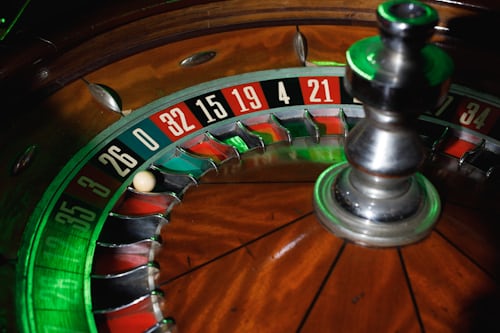
Another critical aspect to consider is the odds of different games, which can vary significantly. Many newcomers might not fully grasp the house edge associated with various games—some may seem deceptively straightforward, yet they can tilt the odds heavily in favor of the casino. For example, slot machines may offer enticing jackpots, but their payout percentages are often lower than table games, ultimately leading to a more expensive gaming experience. Understanding these odds is crucial in realizing the hidden costs associated with casino entertainment.
Add to this the concept of “comps,” or complimentary items offered by the casino, which can further mask the true cost of playing. While free drinks and meals may seem like perks, they can often lead players to stay longer and play more, increasing their overall expenditures. Such benefits can create a false sense of value, encouraging continued play under the guise of perceived savings, making it essential for players to remain vigilant and aware of their spending.
The Psychological Costs: More Than Just Money
Engaging in casino entertainment extends beyond financial implications; it also touches on psychological aspects that can carry hidden costs. The thrill of gambling can quickly transform into an obsession for some individuals, leading to behaviors that negatively impact their mental health and personal relationships. The excitement of potential winnings can create an addictive cycle where players rationalize their spending with dreams of hitting a big jackpot.
Additionally, the emotions associated with gambling, such as euphoria and despair, can have long-lasting effects on an individual’s psyche. The highs from winnings can be intoxicating, leading to an inability to recognize the dangers of gambling over time. In contrast, losses can evoke feelings of frustration and hopelessness, which may propel individuals to gamble more to regain a sense of control or satisfaction. This psychological rollercoaster can lead to a myriad of unintended consequences that ultimately outweigh the fun of casino entertainment.
Furthermore, the stigma associated with gambling can isolate individuals, often leading them to keep their experiences secretive. Feelings of guilt and shame may arise as players realize the extent of their spending and the emotional toll it takes. This hidden cost of maintaining appearances can be detrimental, leading to strain on friendships and familial relationships as individuals navigate their gambling habits in isolation, making awareness and education about responsible gambling a critical component of the casino experience.
The Cost of Convenience: Travel and Accommodation
When considering a trip to a casino, it is crucial to factor in the logistical expenses involved. Many casinos are located in popular tourist destinations, which can drive up the costs of accommodation, meals, and travel. Booking a hotel room may seem straightforward, but seasonal rates, surcharges, and additional taxes can quickly inflate the price, making a seemingly affordable getaway much more expensive than initially anticipated.

Transportation is another often-overlooked area that can add to the expenses. Whether opting for a rental car, rideshare, or public transportation, factors such as fuel costs and parking fees cannot be ignored. Additionally, convenient access to casinos may prompt visitors to spend more time on-site, leading to increased expenditures on food and entertainment that can overshadow the initial budget set for gaming activities.
Moreover, the convenience of on-site dining and entertainment options can complicate the financial aspect of casino visits. Guests may feel tempted to indulge in higher-end meals or exclusive shows, which can substantially elevate the overall costs of their trip. What may have begun as a weekend of modest entertainment can quickly escalate into an expensive excursion, highlighting the importance of thorough planning and adherence to a budget to mitigate these hidden expenses.
Exploring Responsible Gambling Resources and Information
As the allure of casinos continues to draw people in, it becomes increasingly important to raise awareness about responsible gambling practices. Websites dedicated to gambling education can provide valuable insights into managing one’s gaming habits and recognizing the potential pitfalls of excessive spending. These resources often offer tips on setting budgets, understanding odds, and knowing when to take a break, helping individuals make informed decisions.
Furthermore, many casinos have implemented programs aimed at promoting responsible gambling, including resources for self-exclusion and support groups. These initiatives reflect a growing acknowledgment of the potential risks associated with gambling and the necessity of fostering a safe and enjoyable environment for all patrons. By understanding the available support and information, individuals can engage in gaming activities with a more informed and cautious approach.
In summary, the excitement of casino entertainment can mask many hidden costs, both financial and psychological. By exploring responsible gambling resources and being aware of these implications, players can make wiser choices, ensuring that their gaming experiences remain entertaining and enjoyable without falling prey to the hidden pitfalls associated with this vibrant form of entertainment.